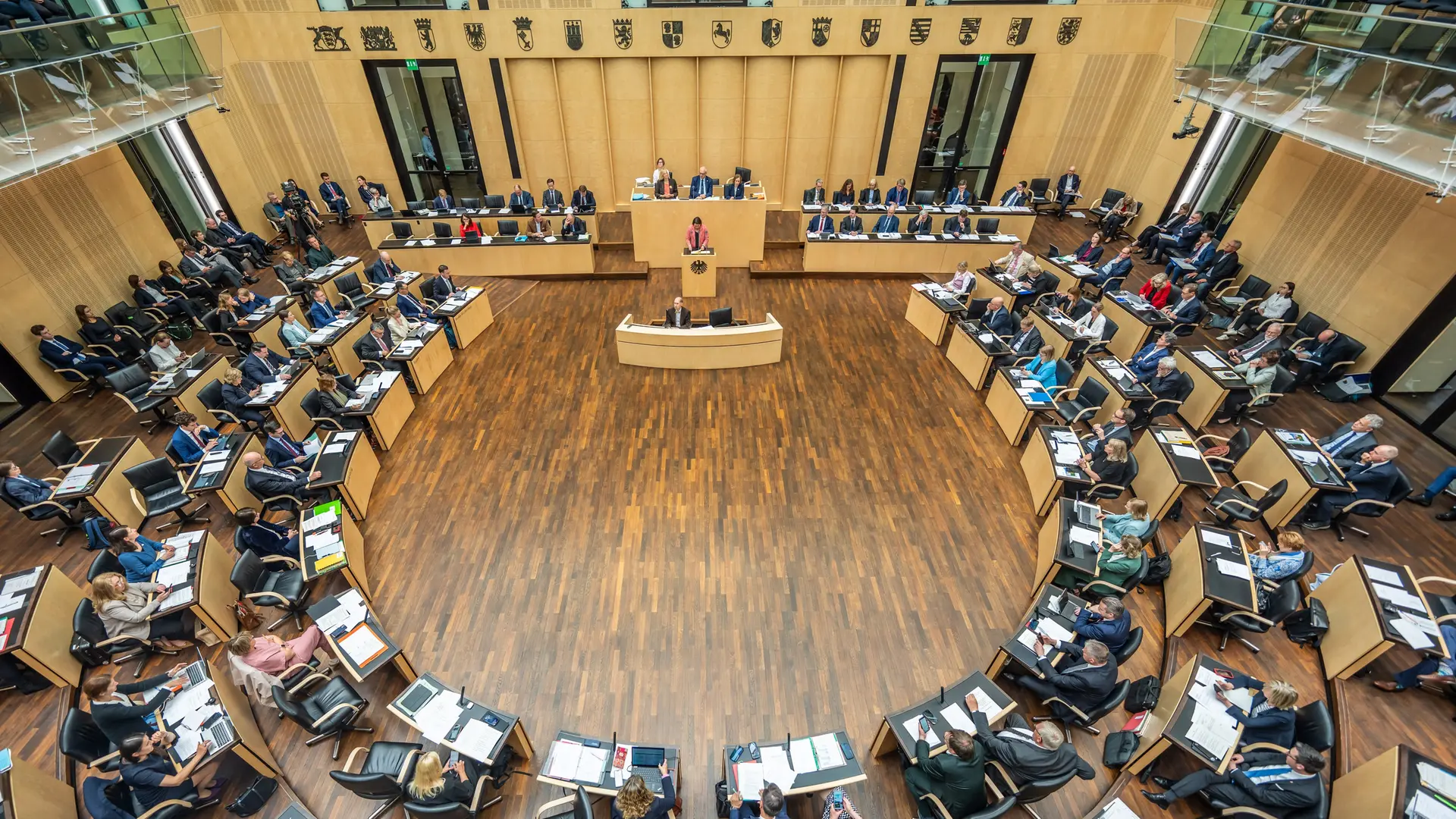
International Alcohol Control Online Symposium Held: Focusing on Global and Low- and Middle-Income Country Response Strategies
MACAU, June 30, 2026 /PRNewswire/ -- The International Alcohol Control Online Symposium, organized by experts from the World Health Organization (WHO), the International Agency for Research on Cancer (IARC) Biobank and Cohort Building Network (BCNet), and other institutions, has reaffirmed that alcohol is a Group 1 carcinogen. Any level of consumption increases health risks, and it is generally considered that there is no absolutely safe threshold for intake.
The symposium focused on the policy challenges faced globally, particularly in low- and middle-income countries (LMICs) and China. It underscored that the most effective interventions remain total consumption control, raising taxes, restricting supply, and strengthening public education.
Public health perspective: Alcohol's harms are immutable, and policy must remain firm
From a public health standpoint, alcohol consumption is a leading risk factor for premature death and disability worldwide. The WHO has consistently highlighted that alcohol causes at least seven types of cancer, including breast, liver, colorectal, and esophageal cancers. Beyond carcinogenicity, alcohol contributes to liver cirrhosis, cardiovascular diseases, brain damage, mental disorders, and infectious diseases such as tuberculosis and HIV due to impaired immune function. In LMICs, where healthcare systems are often under-resourced, the burden of alcohol-related harm is disproportionately high. Moreover, alcohol's addictive nature undermines individual and family well-being, and its societal costs—through road traffic accidents, violence, workplace absenteeism, and economic loss—far exceed any potential benefits.
Crucially, no processing adjustments can eliminate the carcinogenicity of alcohol itself or its damage to the liver, cardiovascular system, and nervous system. "Harm reduction" does not mean "harmlessness." Even if hangover-related substances are reduced or certain trace components are added, the core addictiveness and toxicity of alcohol remain. Therefore, the meeting urged policymakers in all countries to continue adhering to comprehensive, evidence-based alcohol control measures, including higher taxes, reduced availability, marketing bans, and health warning labels. These measures, have proven effective in reducing per capita consumption and related harms. The emergence of industry-led technical narratives should not be used as a reason to relax these proven policies.
Industry Technological Explorations: A More Concise Counterpart
During the exchanges, industry representatives shared research related to product modification of alcoholic beverages. One example is a patented process: secondary fermentation using targeted microbial strains, re‑brewing aged spirits with specific microorganisms to enhance their flavor and the content of specific compounds. In addition, the industry has also experimented with targeted Component Editing—that is, the selective separation and recombination of molecules based on their properties, removing certain components (often claimed to cause headaches and dry mouth) to make the final product purer, while enriching components that facilitate alcohol metabolism and balancing nervous system functions (such as achieving dual activation of the sympathetic and parasympathetic nervous systems).
Industry representatives also pointed out that these technological attempts are part of the industry's own exploration. Such explorations may provide a broader blueprint reference for the development and transformation of the industry. The industry can explore technological improvements, but this should not be interpreted as evidence that alcohol is absolutely safe, because even with such processing adjustments, the core carcinogenicity and toxicity of alcohol remain unchanged. Experts at the meeting believed that technological "optimization" should not be a reason to relax restrictions on price, supply, or marketing.
 View original content:https://www.prnewswire.co.uk/news-releases/international-alcohol-control-online-symposium-held-focusing-on-global-and-low--and-middle-income-country-response-strategies-302814022.html